
by Anna Teresa Steiner & Jasmin Kunze (Urban Innovation Vienna)
Across Europe, the urgency to address the climate crisis is growing. Yet the implementation of meaningful climate action continues to lag what science demands. This gap is not primarily due to missing technologies or insufficient knowledge, but because of systemic fragmentation: policies that contradict each other, departments that work in silos, and planning processes that fail to align across sectors or governance levels. Energy strategies may conflict with spatial development; climate adaptation plans often evolve separately from economic priorities; and perspectives of citizen and marginalized groups, like youth, rarely find systematic entry into formal planning. Integrated planning offers a powerful response to these challenges: Goals are aligned and governance structures which support coherent, long-term climate action are set up.
Building Bridges for Climate Action
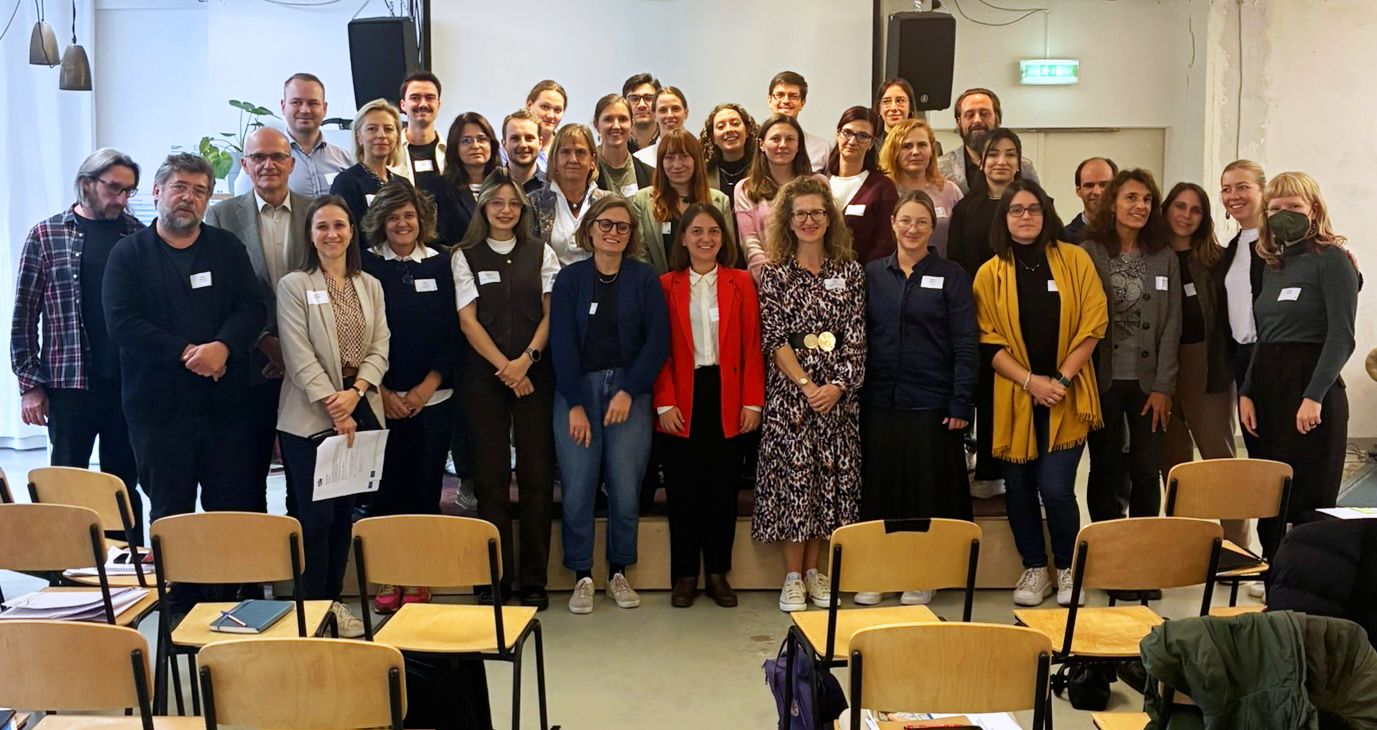
The IN-PLAN Training event held in Vienna in 2025 showcased the relevance of this approach. Bringing together young professionals from YES Europe, policymakers, regional planners, and experts from a range of disciplines, the event underlined how cross-sector collaboration and youth engagement can accelerate Europe’s path toward a sustainable future.
Integrated Planning as the Baseline for Climate Goals
Local and regional authorities face complex tasks for implementing ambitious climate and energy goals. They have to decarbonize energy systems and at the same time develop climate-proof urban spaces and build a robust public transport system. Therefore, isolated strategies are no longer sufficient. Integrated planning ensures that climate objectives are not treated as a thematic “add-on” but become part of the core logic of territorial governance.
At its heart, integrated planning links:
- spatial development plans with energy and climate strategies,
- climate mitigation and adaptation measures,
- short-term policy decisions with long-term climate neutrality pathways,
- technical expertise with participatory processes.
By creating coherent frameworks, integrated planning minimizes inconsistencies between departments and fosters synergies across policy areas. It supports local administrations in implementing climate strategies that truly reflect territorial realities, financial constraints, and community needs.
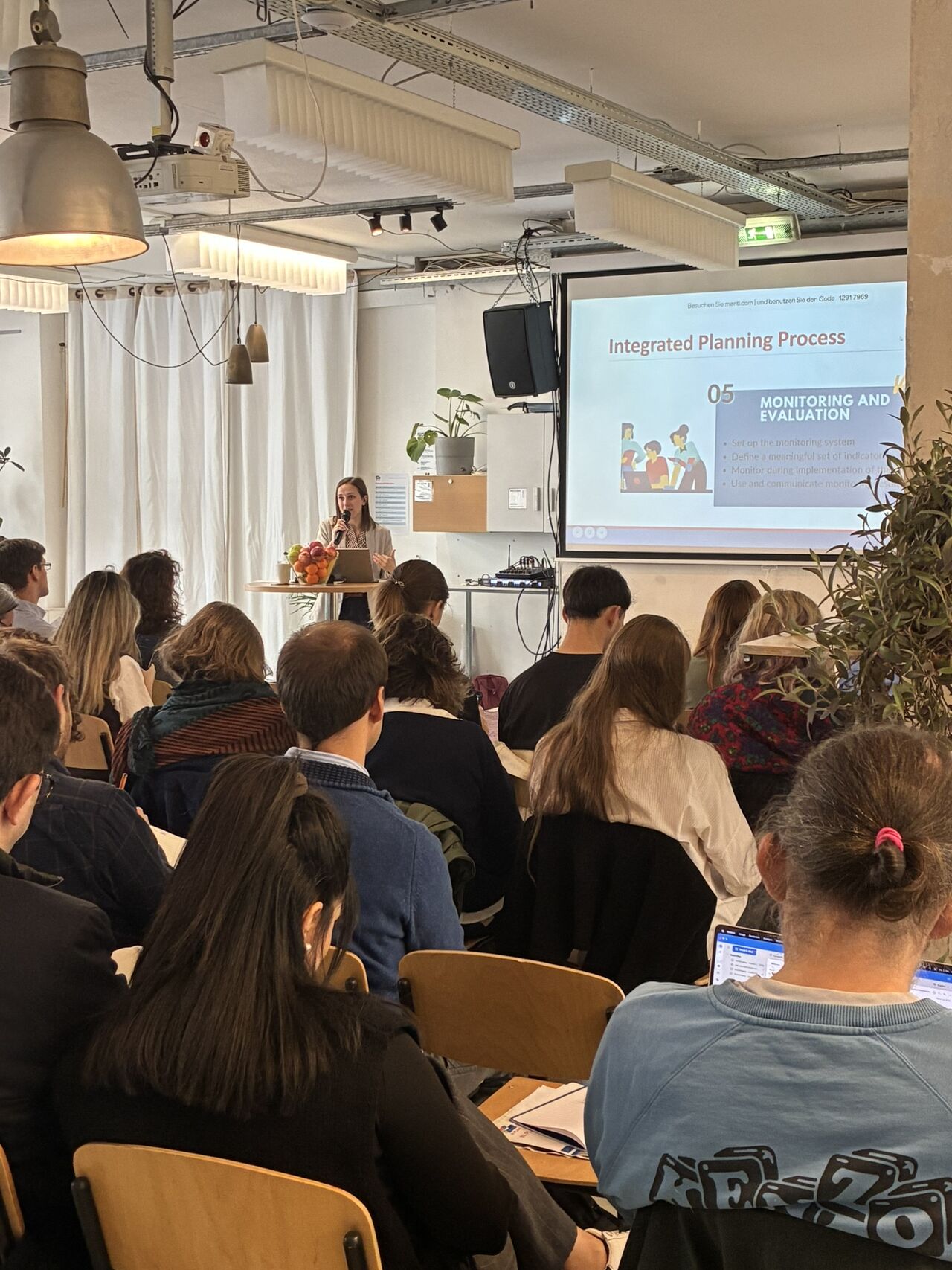
The training in Vienna emphasized that integrated planning is not just a conceptual exercise — it must become a practical, everyday governance habit. Participants examined how integrated approaches help translate broad climate ambitions into actionable procedures, workflows, and responsibilities.
The IN-PLAN Project: Empowering Local and Regional Authorities
The IN-PLAN project was created to strengthen the capacity of local and regional authorities to design and implement integrated planning processes. With partners across Europe, IN-PLAN works at the intersection of governance, planning, and climate policy. Its mission is to embed integrated approaches into everyday administrative routines and long-term strategies alike.
IN-PLAN supports public authorities by:
- providing a structured methodology to integrate climate, energy, and spatial planning,
- offering capacity-building formats such as Trainings for local multipliers,
- facilitating cooperation across departments and governance levels,
- establishing a growing European community of practice focused on integrated planning.
One of the project’s core strengths is its adaptability. Since every territory has different administrative structures, resource levels, and socio-political dynamics, the IN-PLAN approach is designed to meet local authorities where they are — helping them develop practical integration pathways while addressing real-world barriers.
From Framework to Functionality
The IN-PLAN Practice is the project’s central methodology and toolkit. It guides authorities through the steps required to embed integrated planning within their governance systems. Unlike traditional planning frameworks, which often remain static or overly conceptual, the IN-PLAN Practice emphasizes hands-on implementation and co-creation.
Guidance can be found in the IN-PLAN Practice for the following topics:
- Cross-departmental coordination: breaking down administrative silos
- Stakeholder mapping and engagement: ensuring inclusive planning
- Policy coherence: aligning climate, energy, and spatial strategies
- Implementation pathways in the municipal context: move from planning to action
- Long-term monitoring: ensuring climate goals remain anchored in governance cycles
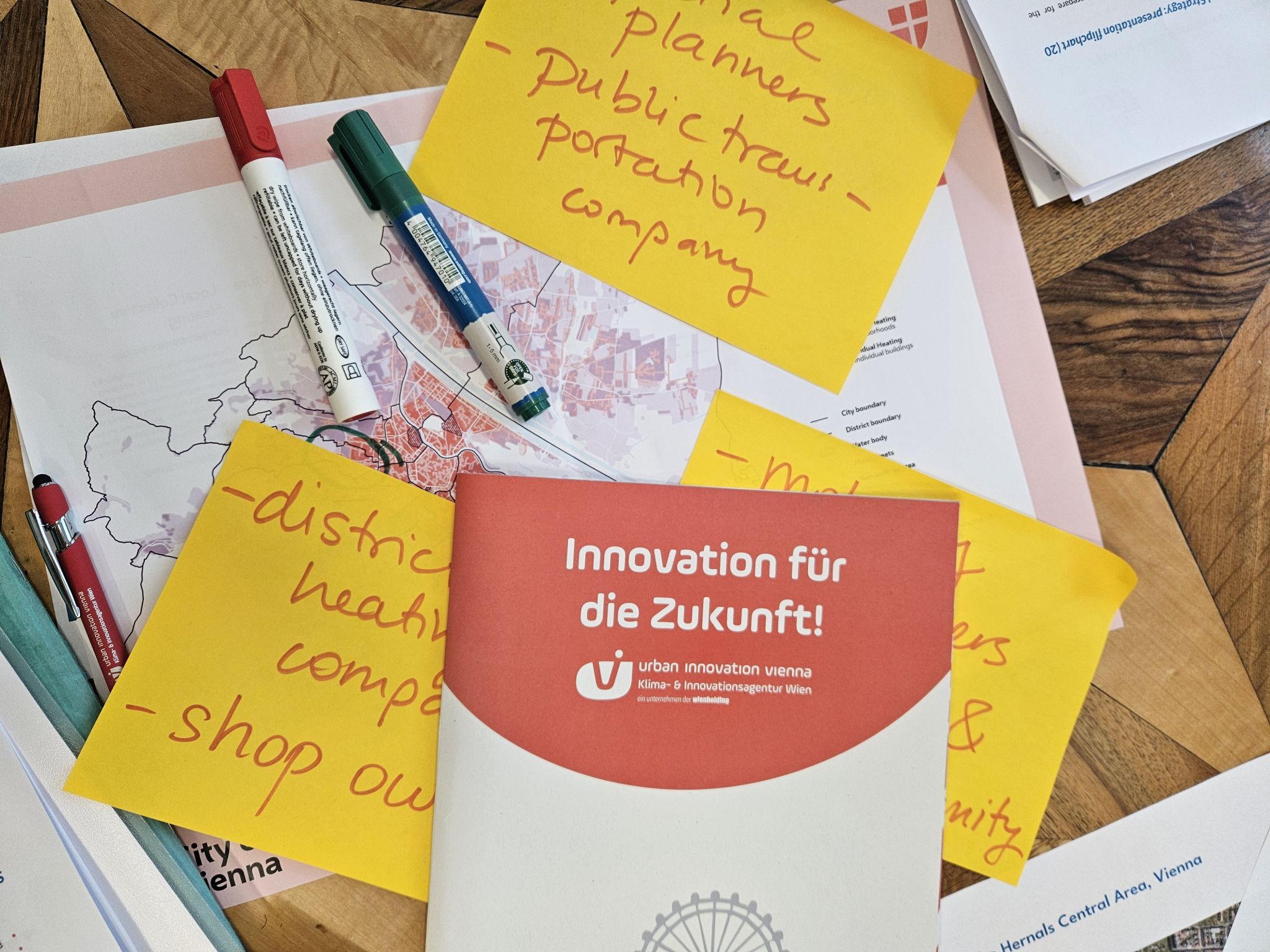
At the Vienna training, participants applied the IN-PLAN Practice to simulated planning challenges. Through group work and facilitated exercises, they explored how integrated planning processes can be introduced, strengthened, or scaled in different local contexts.
Learning Integration by Doing
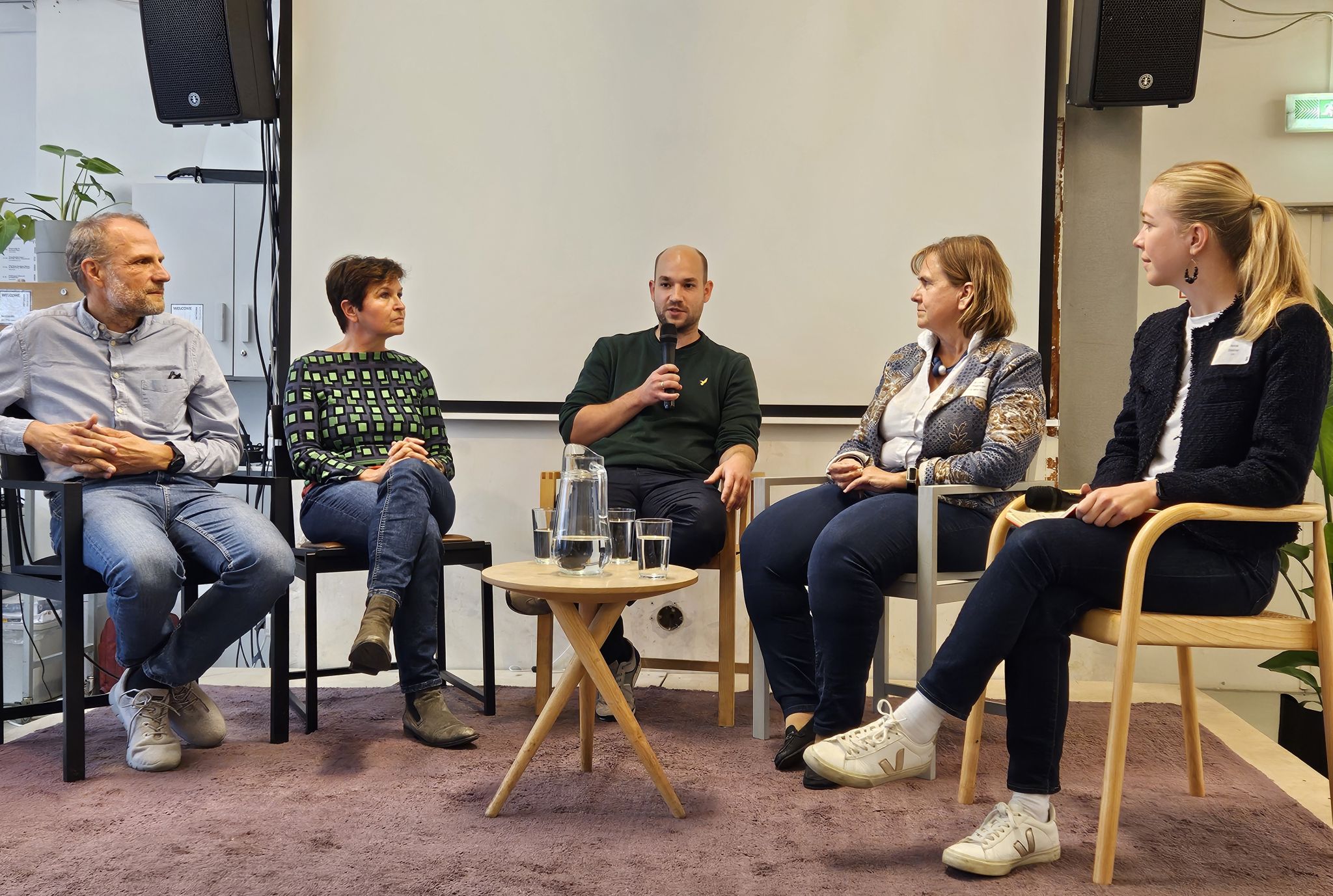
The IN-PLAN training in Vienna was designed around experiential learning. Instead of passively receiving information, participants engaged directly with the tools, methods, and challenges of integrated planning. This approach reflects the fundamental principle of IN-PLAN: integration must be practiced, discussed, negotiated — and adapted. With guests from the City of Vienna, reflections on how to embed integrated planning in local routines could be made together with authority members.
The diverse backgrounds of participants created a dynamic learning environment. Through the collaboration with YES Europe a major part of participants were young professionals. They enriched the event by bringing forward fresh perspectives and emerging professional experiences. Young people highlighted blind spots in existing planning systems, raised questions around intergenerational justice, and emphasized the need for climate goals to be treated as shared responsibilities rather than isolated departmental tasks.
Cross-sectoral approach in Action
One of the strongest messages to emerge from the Vienna training was the transformative power of interdisciplinarity. Complex environmental challenges cannot be solved by technical expertise alone. They require perspectives that mix engineering and governance, scientific understanding and social insight, long-term strategy and community realities.
Participants brought expertise from fields such as:
- engineering and renewable energy systems,
- urban and regional planning,
- economics and policy analysis,
- environmental sciences and fieldwork,
- grassroots activism and community engagement.
When these perspectives intersect, they reveal gaps that may be invisible within one discipline alone — such as mismatches between climate strategies and zoning rules, or the need to integrate social equity considerations into decarbonization pathways.
Youth and the Future of Integrated Planning
Youth engagement played a central role throughout the event. Members of YES Europe and other young participants demonstrated the vital contributions early-career professionals make to the planning landscape. Their interdisciplinary training, digital fluency, and strong climate motivation position them as key actors in advancing integrated planning across Europe.
Young professionals are particularly well placed to:
- connect scientific innovation with practical implementation,
- facilitate dialogue across sectors and generations,
- advocate for coherent and future-oriented climate strategies,
- act as multipliers within their professional and local communities.
The Vienna event made clear that youth are not only beneficiaries of long-term planning decisions — they have to become active co-creators of the policies and strategies shaping Europe’s future.
A Path Forward
The cooperation between YES Europe and IN-PLAN demonstrated that intersectoral action, as integrated planning, is not a static framework but a living practice — one that evolves through dialogue, participation, and continuous learning. By combining the experience of policymakers with the creativity of young professionals, the training created momentum that will be carried forward into local administrations, universities, and civil society initiatives across Europe.
Leave A Comment