
The most important climate negotiations go into their 31st round, this November in Antalya, Türkiye!
YES-Europe engages in the UNFCCC sphere to fight alongside other young people and organisations for ambitious climate policies and a just (energy) transition that leaves no one behind!
Follow our COP31 teams activities and reports on socials, or via our blog!
On the Road to COP31, we present our European Youth Position on Energy!
Young Europeans working in, studying, or passionate about the energy transition have come together to outline our collective position at COP31. Developed jointly by YES-Europe, European Youth Energy Network (EYEN) and European Young Engineers (EYE), this paper brings together the largest European youth energy and climate organisations, representing the voices of hundreds of thousands of young people. COP31 is a chance for real progress on the energy transition, but it comes at a time when COP and the UN system as a whole are extremely fragile. Our position is built around the energy sector, and around the jobs, skills and fairness that must come with it.
Jointly, we call on Parties to act alongside 6 pillars:
-> Keep the Mitigation Work Programme ambitious: We urge Parties to commit to meaningful action through a permanent, dedicated energy track within the MWP, with regional dialogues, civil society input and structured youth consultation. If Parties fail to agree tangible outcomes, we call for a dedicated voluntary pledge on energy sector emissions, separate from the consensus-based negotiations.
-> Deliver on the Global Stocktake: We ask Parties to turn the first Global Stocktake outcomes into quantified, time-bound targets and policies. These include a binding 35% demand-side electrification by 2035, tripling renewables and doubling energy efficiency by 2030, expanded energy access and clean cooking, and a path to phase out direct fossil fuel subsidies.
-> Act first on the most polluting fossil fuels: We invite global cooperation on an immediate moratorium on financing new coal exploration, a complete shutdown of unabated coal power by 2030 in advanced economies and by 2040 globally, and methane cuts of at least 30% below 2020 levels by 2030.
-> Put young people’s jobs and skills at the centre: We call for national strategies with measurable youth employment and green-skills objectives, decent work, paid apprenticeships and social protection for workers leaving high-carbon sectors. Through Action for Climate Empowerment, we ask for energy literacy, information integrity and institutionalised youth participation in energy and climate policy.
-> Build grids, resilience and responsible AI: We urge Parties to modernise flexible, interconnected grids and to include energy system resilience in the UAE Framework for Global Climate Resilience and the Baku Adaptation Road Map, with structured youth participation. We also call for AI and data-centre growth that does not raise costs for households or crowd out grid capacity.
-> Secure fair and credible funding: We call on the GCF, GEF and multilateral development banks to create dedicated windows and accessible accreditation for youth-led and community SDG7 projects, and to scale up affordable finance for energy in developing countries. We also ask Parties to use progress on the Article 6 UN carbon market to deliver the transition, balancing residual fossil emissions with durable like-for-like carbon removal, introducing carbon takeback obligations for oil and gas, and channelling concessional investment into emerging markets.
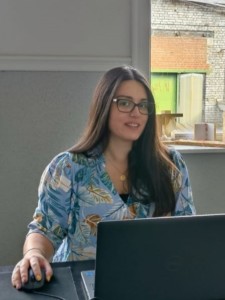
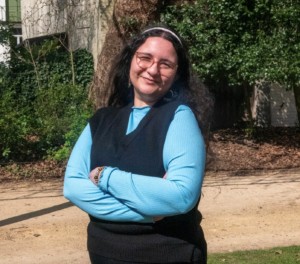
Who are we? Meet our COP31 Team!
On the ground, our aim is to actively promote decisive, effective and equitable climate and environmental action by engaging in negotiations, making interventions, conducting bilateral meetings with policymakers, co-organizing and participating in side events as well as other advocacy actions in cooperation with other youth-led NGOs. Moreover, we aim to foster the engagement of young people from diverse backgrounds in this process through a dedicated communications campaign prior to and during the conferences.


What is COP?
The Conference of the Parties (COP) is the supreme decision-making body of the United Nations Framework Convention on Climate Change (UNFCCC). The UNFCCC is an agreement between 198 Parties (197 States and the EU) with the primary aim to address anthropogenic climate change. The treaty entered into force in 1994 and every year since then leaders from all over the world have come together at COP to discuss and agree on international climate policy. Many of the most significant international climate commitments and agreements have emerged from these summits, including the Kyoto Protocol and the Paris Agreement. Next to negotiators of each governmental delegation, also representatives from civil society, business and academia are present at COP to observe, influence and participate in the proceedings.

This year’s Conference of the Parties will be held between the 9th and 20th of November 2026 in Antalya, Türkiye. Stakeholders from across the world will focus on advancing the goals of the UNFCCC and the Paris Agreement, including efforts to limit global warming to 1.5 degree, adapt to the impacts of climate change and mobilize sufficient financing.
The YES-Europe delegation will follow the negotiations on ground in Antalya, Türkiye as well as from home as an official observer NGO, as well as part of the children and youth constituency of the UNFCCC (YOUNGO).
How have we contributed in the past?
At COP30, YES-Europe, in partnership with EYEN, conducted extensive research on the most pressing debates concerning the energy transition, youth, and competitiveness at the EU level. Our research suggests that these topics converge on the issue of employment for young people. The outputs and policy recommendations are outlined in the advocacy roadmap.
Jointly, we demand ambitious and targeted climate policies alongside 5 pillars:
-> Promote a just energy transition: We recommend that stakeholders target green youth employment schemes in regions where brown industries are downsizing. Transition plans should focus on replicating the high labour standards of brown sectors in emerging green ones.
-> Ensure the necessary skills: We urge policymakers to ensure that people receive adequate training to contribute to the energy transition at all levels, from the more innovative fields (AI, data-science, etc.), to the most practical ones (electrician, installer, operator, etc.). This effort should support both youth entering their first jobs and experienced workers transitioning from brown to green sectors.
-> Ensure substantive youth inclusion: We ask policymakers to include social and labour conditionalities in all public subsidies and procurement. These should include the ban of unpaid internships and objectives in terms of youth hiring quotas (e.g.having at least 15% of entry-level workers).
-> Commit to gender-transformative outcomes: In line with the UNFCCC objectives, we call on stakeholders to ensure that the negotiation outcomes of all tracks deliver gender-transformative policies. Such policies include equal parental leaves for all genders and valorising house labour and activism within the job experience, especially for jobs in the green sector.
-> Secure adequate funding: We highlight the need to prepare the provision of financial resources to national and local actors based on historic contributions and the polluter principle to ensure the implementation of climate policies.
Children are disproportionately affected by the climate crisis, especially those already marginalized by gender, geography, and socioeconomic status. From increased risk of malnutrition, loss of education, and a higher burden of disease to displacement and increasing risk of early and child marriages and gender-based violence, children face compounding vulnerabilities that demand urgent, targeted responses. Yet, current gender policies – including the Informal Note on the new Gender Action Plan (GAP) – overlook how the climate crisis intersects with the life course of children and adolescents.
Under the leadership of YES’ COP30 Project Lead, YOUNGO’s Women & Gender Working Group joined forces with UNICEF and UNFPA to issue a collective call call on Parties to guarantee that child-focused measures are included and streamlined throughout all Priority Areas of the new Gender Action Plan (GAP) and beyond.
For more information on what we’ve accomplished at COP30, click here.
Get Involved
Follow our work
This year, YES-Europe will again actively engage in the international climate negotiations process and amplify the voices of young people at this crucial decision-making forum.
If you want to stay up to date with the latest developments of our work at COP31, make sure to follow us on LinkedIn and Instagram.
Partner with us
As a partner of YES-Europe, you will have the chance to connect with young professionals in the energy sector and help us have a meaningful impact on the industry. We are looking for media partners, event co-organisers, sponsors, as well as other NGOs to collaborate with us on this project. If you wish to make a meaningful impact with us, you can reach out to us at unfccc@yeseurope.org